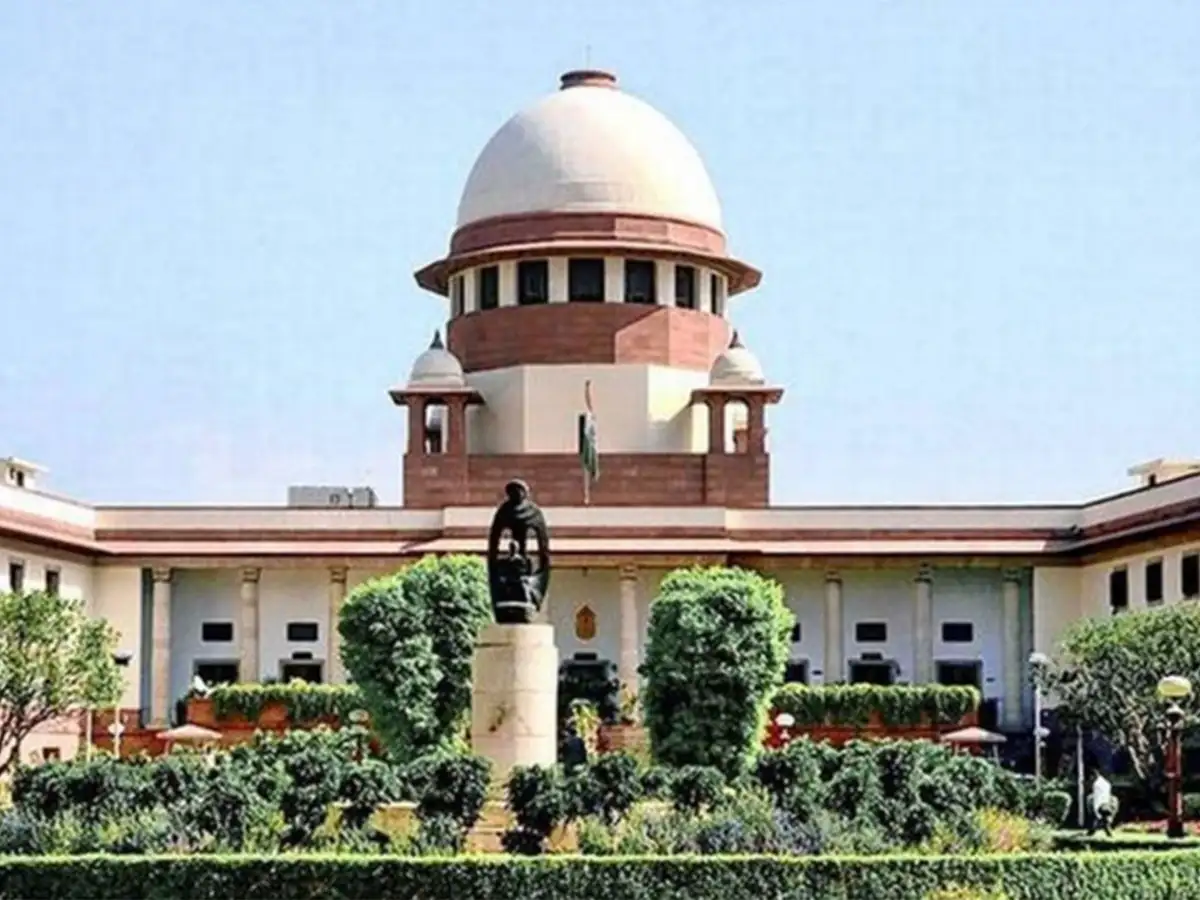
Andhra loses Supreme Court battle over 34% Backward Classes quota in local polls
First reported 8 Oct, 00:00 UTCUpdated 1d ago4 sources
2 left · 2 center · 0 right · Full breakdown
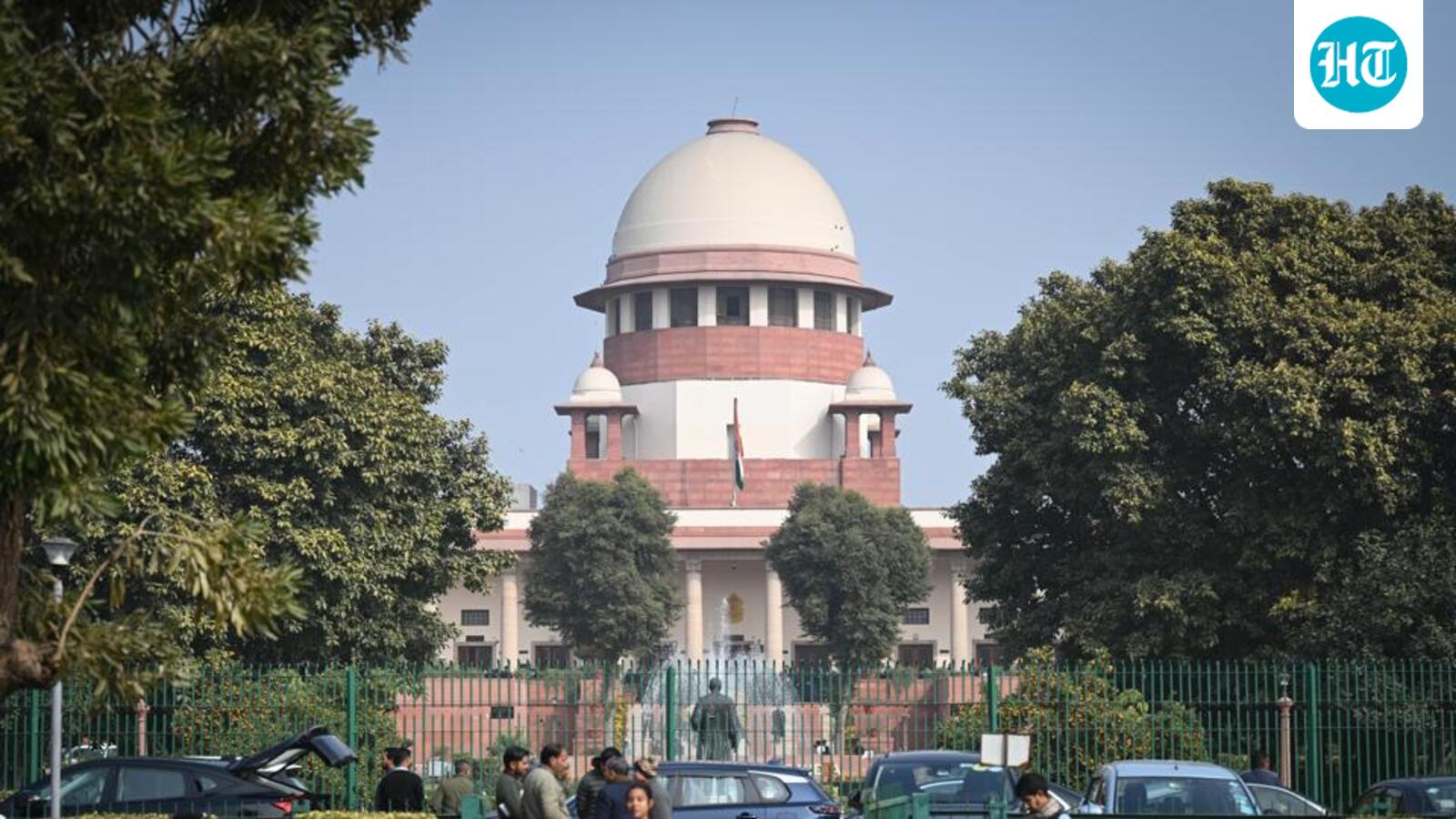
The SC said the October 1 high court judgment correctly found a lack of the empirical data required to justify the reservation
Excerpt from Hindustan Times
Compare the headlines
How outlets on each side framed it
The top court says data from a unified family survey were insufficient to justify the enhanced reservation in the absence of a specific empirical assessment of backwardness and representation in local bodies
The SC said the October 1 high court judgment correctly found a lack of the empirical data required to justify the reservation
No right-leaning outlet in our index has covered this yet.
Full coverage
4 outlets — tap a headline to read it at the source
- Do backward classes have political representation? Odisha panel to find out (opens The Indian Express in a new tab)
- Andhra loses Supreme Court battle over 34% Backward Classes quota in local polls (opens Hindustan Times in a new tab)
The SC said the October 1 high court judgment correctly found a lack of the empirical data required to justify the reservation
- SC scraps Andhra's 34% BC quota for local polls, sparking Naidu-YSRCP clash (opens India Today in a new tab)
SC scraps Andhras BC quota for local polls sparking NaiduYSRCP clash
- Supreme Court rejects A.P. government plea to restore 34% quota for Backward Classes in local bodies (opens The Hindu in a new tab)
The top court says data from a unified family survey were insufficient to justify the enhanced reservation in the absence of a specific empirical assessment of backwardness and representation in local bodies