Human sacrifice in ancient Egypt uncovered by modern forensic science
First reported 5 Oct, 03:00 UTCUpdated 14h ago5 sources
1 left · 1 center · 3 right · Full breakdown
Polyview Briefing
AI-generatedResearchers re‑examined 46 skulls from the First Dynasty royal cemetery at Abydos (Umm el‑Qaʿab) and found blunt‑force head injuries, which they interpret as evidence that some royal household members were deliberately killed, possibly as retainer sacrifice. The study, reported by outlets in the UK, UAE, India, the US and elsewhere, links the trauma to a practice of sacrificing servants to accompany a ruler in death.
How the Left framed it
The Guardian frames the findings as confirmation of an early Egyptological theory that servants of ancient kings were sacrificed when their ruler died.
How the Center framed it
The National highlights that roughly four in ten royal household members show evidence of a deliberate blow to the head, emphasizing the forensic basis of the claim.
How the Right framed it
Right‑leaning outlets stress the discovery as new evidence of retainer sacrifice, portraying it as a display of the ruler’s power and a means to send servants into the afterlife.
What everyone reports
- Researchers examined 46 skulls from the First Dynasty royal cemetery at Abydos/Umm el‑Qaʿab
- Many skulls exhibit blunt‑force trauma to the head
- The study interprets the trauma as intentional killing of some individuals, possibly as retainer sacrifice
Where coverage differs
- The Guardian emphasizes confirmation of an older scholarly theory, while the National quantifies the proportion of victims (~40%)
- Right‑leaning outlets stress the motive as a display of power and after‑life accompaniment, language not used by left or center sources
- The degree of certainty about the practice varies, with left and right outlets presenting it as a clear sacrifice, whereas the center outlet presents it as a probable interpretation based on forensic evidence
Written by AI from the headlines and excerpts of 5 outlets (Groq) on 6 Oct, 01:35 UTC. It can make mistakes — read the original reporting below. How briefings work
Compare the headlines
How outlets on each side framed it
Study of remains taken from royal cemetery at Umm el-Qa’ab appears to confirm early Egyptologist’s theory Court officials and craftspeople serving early Egyptian kings may have been sacrificed when their ruler died, according to research that found fractures in several ancient skulls. The royal cemetery of Umm…
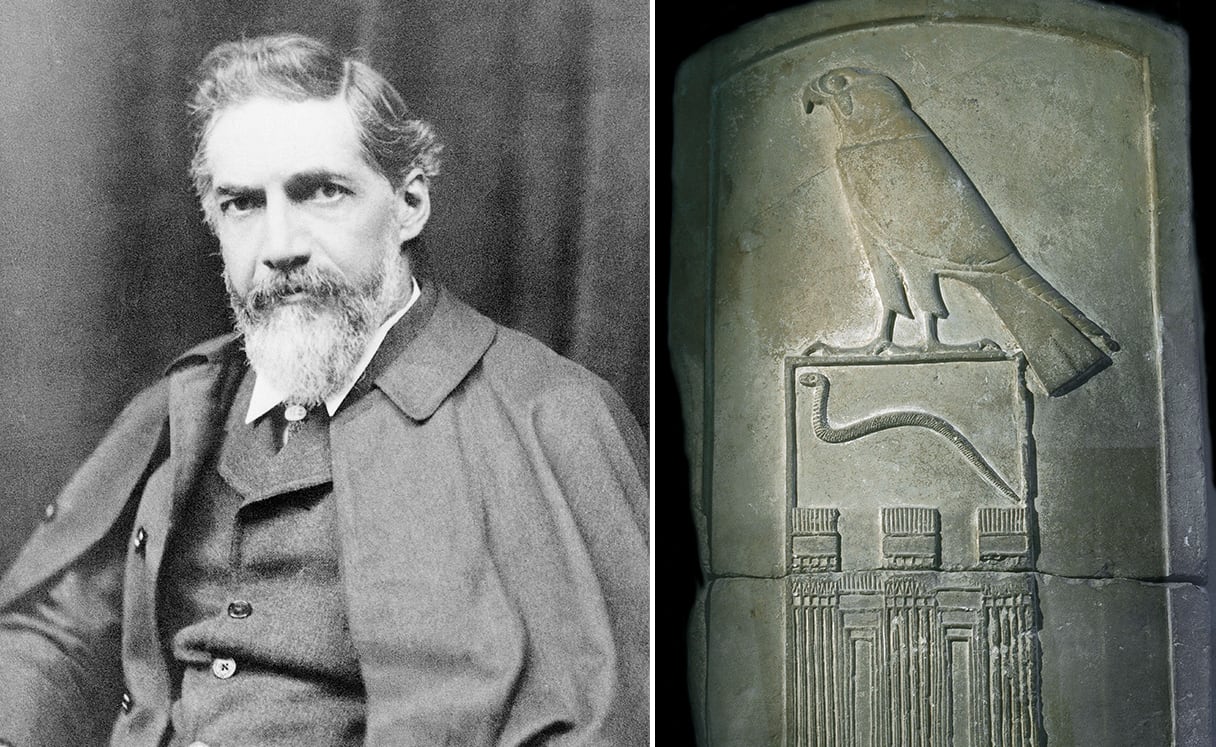
Almost four in 10 royal household members buried in an ancient Egyptian king’s tomb were probably killed by a deliberate blow to the head, according to a study of skulls excavated from the site a century ago. English Egyptologist Flinders Petrie, who has been referred to as the “father of Egyptian archaeology”…
Researchers re-examininf 46 skulls excavated from Egypt’s First Dynasty royal cemetery at Abydos, found significant cranial trauma in 18 of them. The injuries provide new forensic evidence that some people buried around royal tombs may have been deliberately killed after a ruler’s death. The findings support the…
Full coverage
5 outlets — tap a headline to read it at the source
- Human sacrifice in ancient Egypt uncovered by modern forensic science (opens The National (UAE) in a new tab)
Almost four in 10 royal household members buried in an ancient Egyptian king’s tomb were probably killed by a deliberate blow to the head, according to a study of skulls excavated from the site a century ago. English Egyptologist Flinders Petrie, who has been referred to as the “father of Egyptian archaeology”…
- Skull fractures suggest servants of Egypt’s ancient kings were sacrificed (opens The Guardian in a new tab)
Study of remains taken from royal cemetery at Umm el-Qa’ab appears to confirm early Egyptologist’s theory Court officials and craftspeople serving early Egyptian kings may have been sacrificed when their ruler died, according to research that found fractures in several ancient skulls. The royal cemetery of Umm…
- 5,000-year-old Egyptian skulls reveal new evidence of retainer sacrifice (opens The Times of India in a new tab)
Researchers re-examininf 46 skulls excavated from Egypt’s First Dynasty royal cemetery at Abydos, found significant cranial trauma in 18 of them. The injuries provide new forensic evidence that some people buried around royal tombs may have been deliberately killed after a ruler’s death. The findings support the…
- ‘Visceral display of the ruler’s power:’ Bludgeoned skulls suggest royal servants were sacrificed to serve Pharaoh in afterlife (opens New York Post in a new tab)
Researchers discovered many sacrificial skulls bore signs of blunt force trauma, likely causing "rapid unconsciousness, internal bleeding and death."
- Ancient Egyptian mystery uncovered as 5,000-year-old skulls suggest royal servants were bludgeoned to death to follow their masters into the afterlife (opens GB News in a new tab)
New evidence has emerged suggesting servants in Ancient Egypt were deliberately killed to accompany their pharaohs into the next world. Dr Roselyn Campbell, an Egyptologist and bioarchaeologist at Purdue University, analysed 46 crania recovered from the cemetery of Umm el-Qa'ab near Abydos in southern Egypt, where…