Central Africa: When Streets Become Pharmacies - Booming Illicit Markets in Central Africa
First reported 6 Oct, 12:00 UTCUpdated 13h ago2 sources
0 left · 2 center · 0 right · Full breakdown
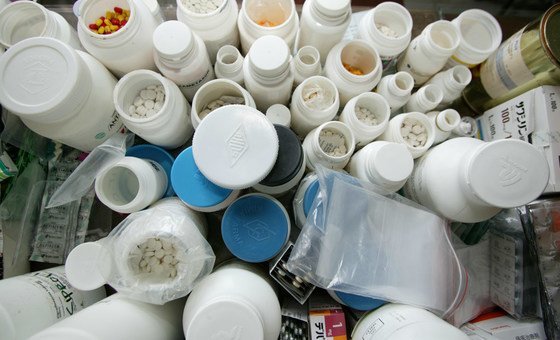
[UN News] Antibiotics, malaria treatments, painkillers, opioids. More than 250 tonnes of medical products were seized over six years in Central Africa. Behind those numbers is an illicit market that thrives not simply despite the region's fragile health systems, but in part because of them.
Excerpt from AllAfrica
Compare the headlines
How outlets on each side framed it
No left-leaning outlet in our index has covered this yet.
Antibiotics, malaria treatments, painkillers, opioids. More than 250 tonnes of medical products were seized over six years in Central Africa. Behind those numbers is an illicit market that thrives not simply despite the region’s fragile health systems, but in part because of them.
No right-leaning outlet in our index has covered this yet.
Full coverage
2 outlets — tap a headline to read it at the source
- When streets become pharmacies: Booming illicit markets in Central Africa (opens UN News in a new tab)
Antibiotics, malaria treatments, painkillers, opioids. More than 250 tonnes of medical products were seized over six years in Central Africa. Behind those numbers is an illicit market that thrives not simply despite the region’s fragile health systems, but in part because of them.
- Central Africa: When Streets Become Pharmacies - Booming Illicit Markets in Central Africa (opens AllAfrica in a new tab)
[UN News] Antibiotics, malaria treatments, painkillers, opioids. More than 250 tonnes of medical products were seized over six years in Central Africa. Behind those numbers is an illicit market that thrives not simply despite the region's fragile health systems, but in part because of them.


