Scientists discover 180,000 giant tortoises on one Seychelles island
First reported 8 Oct, 16:17 UTCUpdated 2d ago3 sources
1 left · 0 center · 2 right · Full breakdown
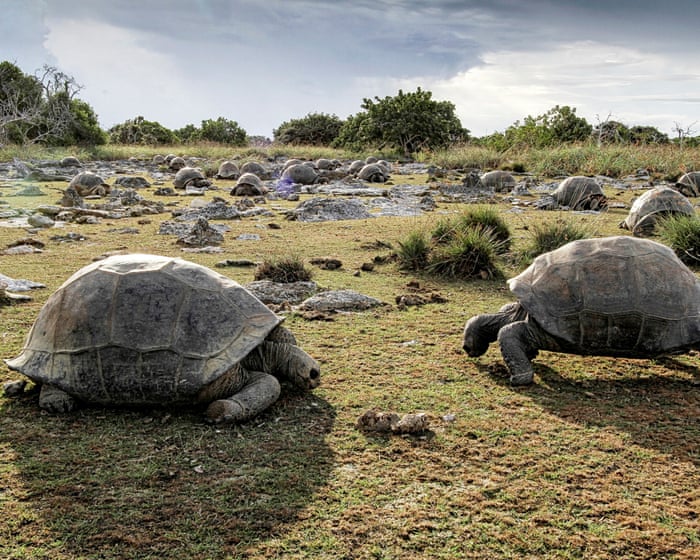
Free-roaming Aldabra population far exceeds human population of Seychelles after decades-long recovery programme A survey of the world’s largest free-roaming giant tortoise population has discovered that the once endangered species is thriving. A population of Aldabra giant tortoises lives on an island in Seychelles…
Excerpt from The Guardian
Compare the headlines
How outlets on each side framed it
Free-roaming Aldabra population far exceeds human population of Seychelles after decades-long recovery programme A survey of the world’s largest free-roaming giant tortoise population has discovered that the once endangered species is thriving. A population of Aldabra giant tortoises lives on an island in Seychelles…
No center-leaning outlet in our index has covered this yet.
Scientists studying the Aldabra giant tortoise, native to the Seychelles in the Indian Ocean, have found that the species outnumbers the country's human population.
Full coverage
3 outlets — tap a headline to read it at the source
- Giant tortoise population thriving as survey discovers 180,000 on one island (opens New York Post in a new tab)
This is the highest figure ever recorded for the species and far exceeds the human population of the Seychelles.
- Scientists discover 180,000 giant tortoises on one Seychelles island (opens The Guardian in a new tab)
Free-roaming Aldabra population far exceeds human population of Seychelles after decades-long recovery programme A survey of the world’s largest free-roaming giant tortoise population has discovered that the once endangered species is thriving. A population of Aldabra giant tortoises lives on an island in Seychelles…
- Scientists find that Seychelles' giant tortoises outnumber human population (opens The Washington Times in a new tab)
Scientists studying the Aldabra giant tortoise, native to the Seychelles in the Indian Ocean, have found that the species outnumbers the country's human population.